
Optimal Timing for Water Treatments
Proper timing of water treatments is essential for maintaining water quality and system efficiency. The optimal time for treatments depends on various factors including water usage patterns, seasonal changes, and specific water quality issues. Conducting treatments at appropriate intervals ensures contaminants are effectively managed and system longevity is supported.
Spring and fall are common times for comprehensive water treatments to address seasonal water quality changes and prepare systems for peak usage periods.
Perform water treatments before periods of high demand to prevent buildup of sediments and contaminants.
After system repairs or upgrades, treatments help remove debris and ensure optimal operation.
Regular testing guides the timing of treatments to address specific issues like mineral buildup or microbial growth.
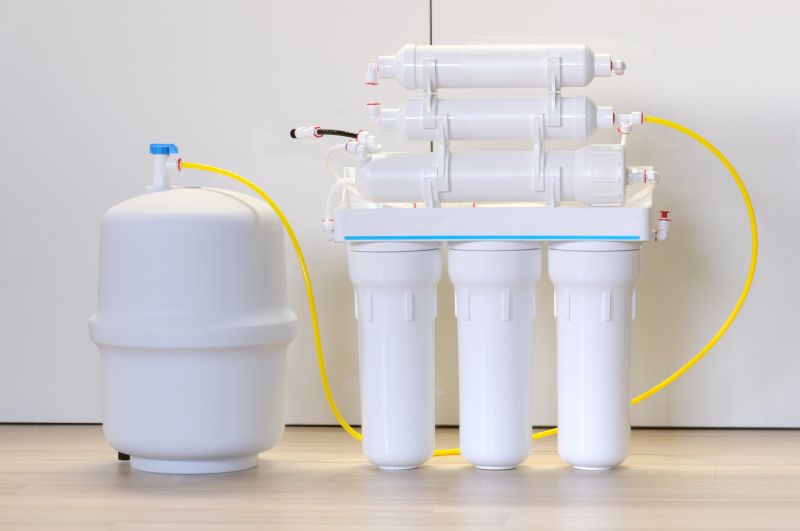
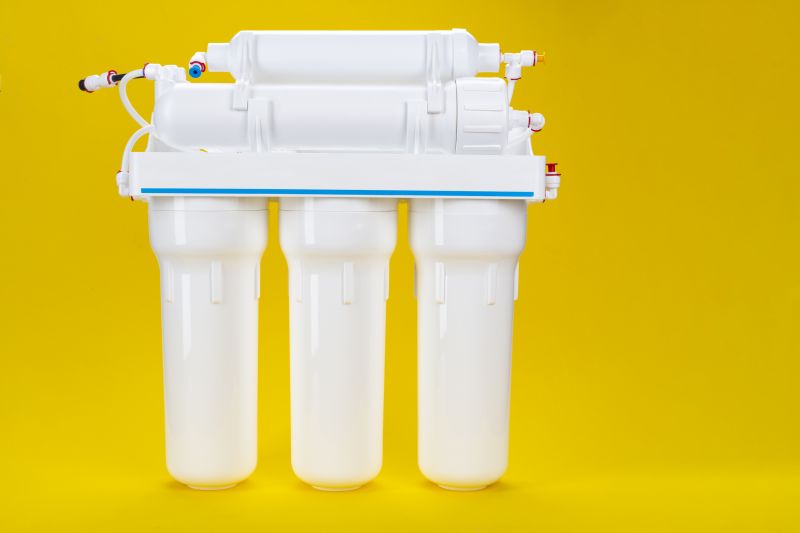
Advanced systems used for effective water treatment processes.
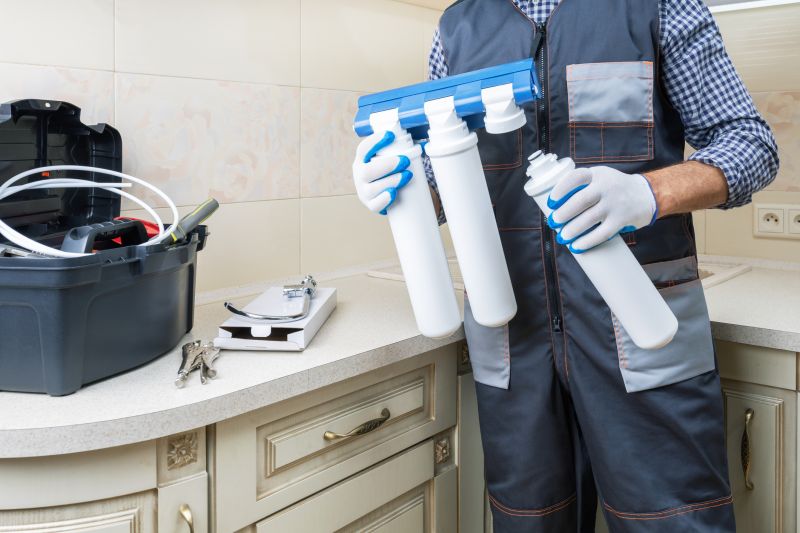
Sampling and analysis for optimal treatment timing.
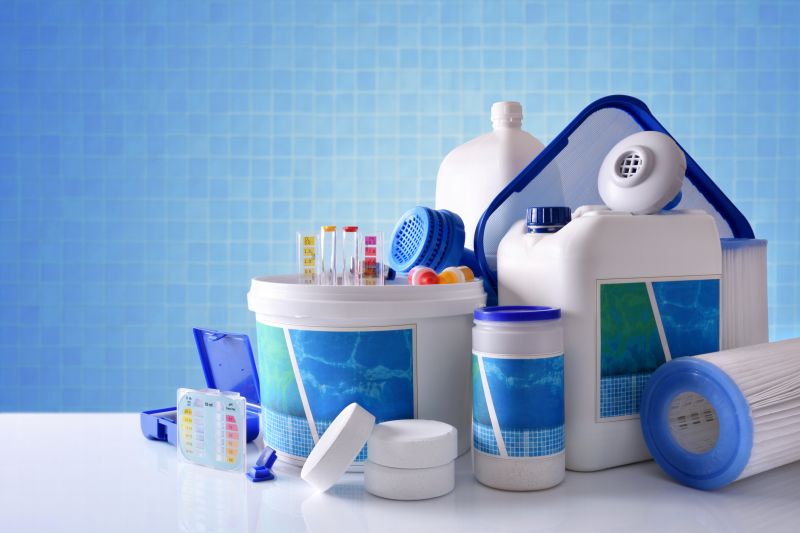
Application of chemicals for water purification.
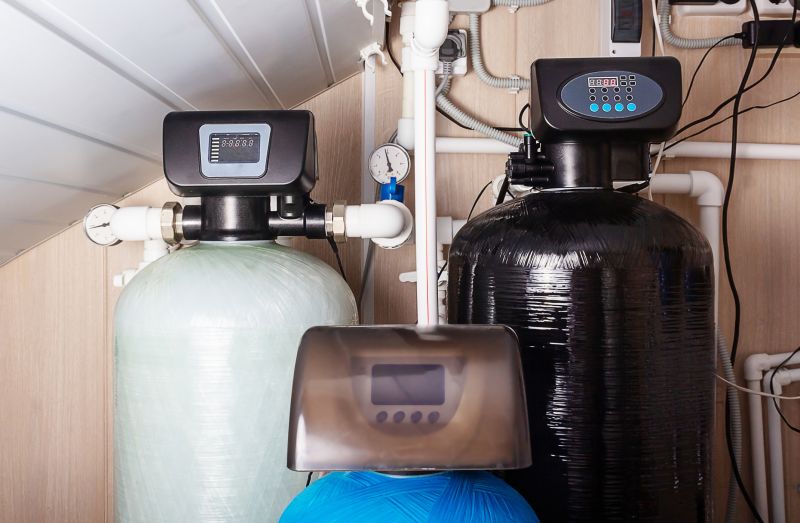
Ways to make Water Treatments work in tight or awkward layouts.
Popular materials for Water Treatments and why they hold up over time.
Simple add-ons that improve Water Treatments without blowing the budget.
| Best Time for Water Treatments | Key Considerations |
|---|---|
| Spring and Fall | Address seasonal changes and prepare for high usage periods. |
| Before Peak Usage | Ensure water quality during high demand periods. |
| After Repairs | Remove debris and contaminants post-maintenance. |
| Regular Intervals | Based on water testing results and usage patterns. |
| High Usage Periods | Increase frequency to maintain water standards. |
Water treatments play a vital role in maintaining water system integrity and ensuring water quality. They involve processes such as filtration, chemical treatment, and disinfection, which are tailored to address specific water quality challenges. Statistics indicate that regular treatments can reduce microbial contamination by up to 99 percent and decrease mineral buildup, extending the lifespan of plumbing and equipment.
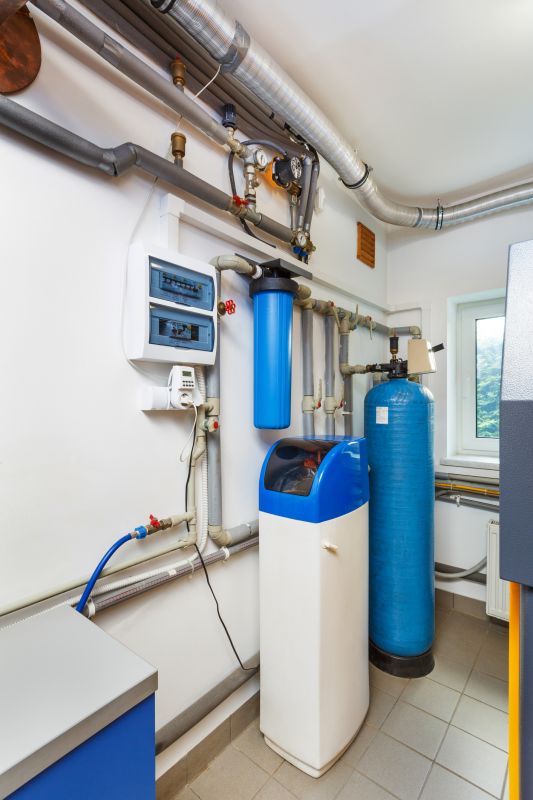
Overview of treatment steps for clean water.
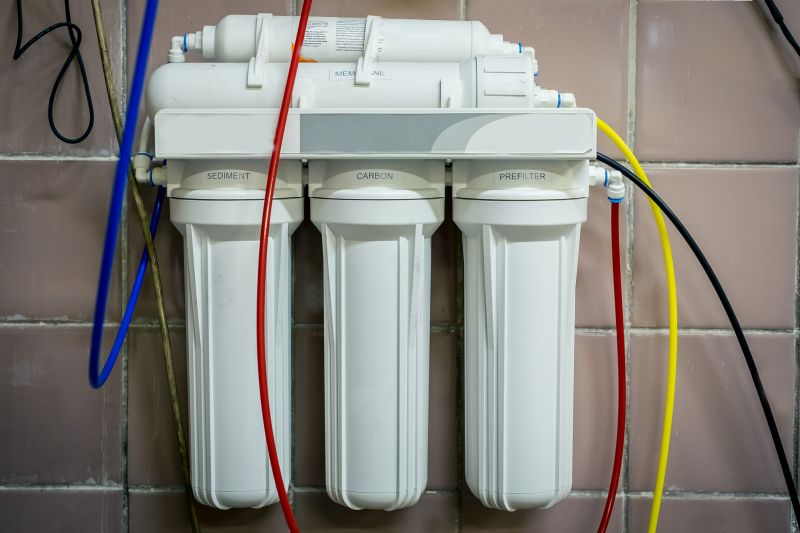
Removing sediments and impurities.
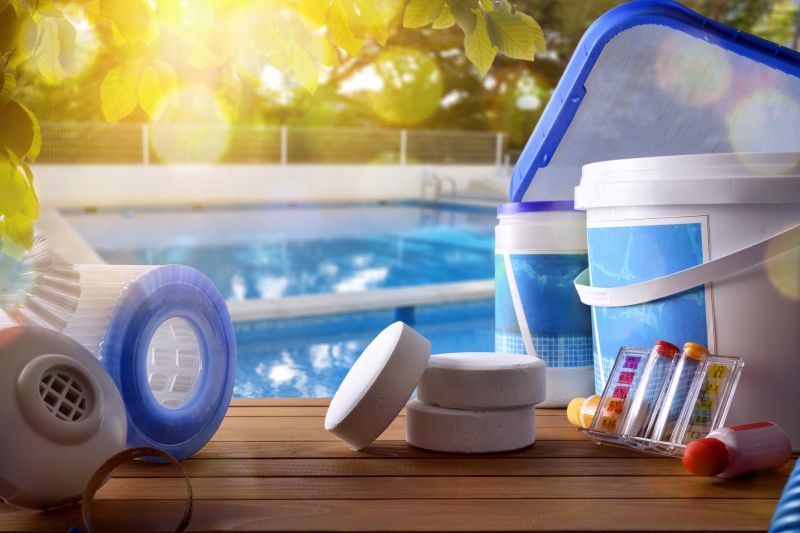
Using chemicals to eliminate pathogens.
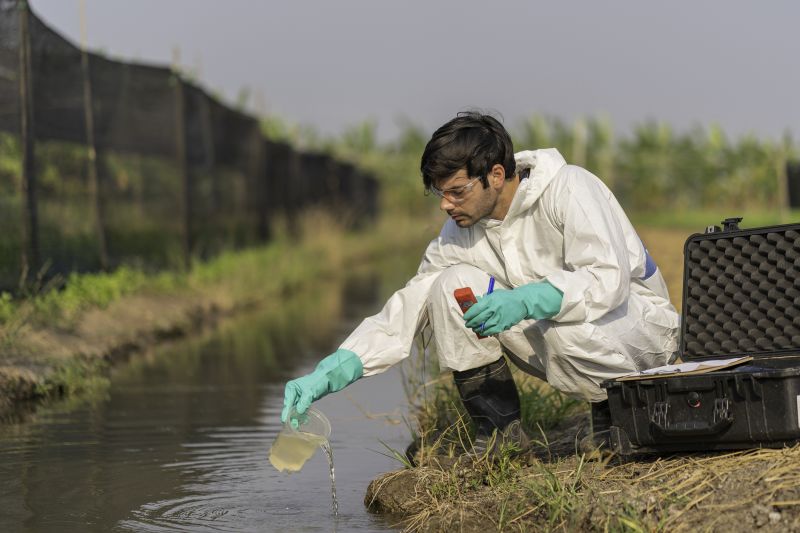
Analyzing water quality for treatment planning.
Effective water treatment scheduling ensures the health and safety of water supplies, reduces maintenance costs, and prolongs system lifespan. Proper timing aligns with water demand cycles and seasonal variations, making treatments more efficient and cost-effective. Consulting water quality data regularly helps determine the most advantageous times for treatment interventions.
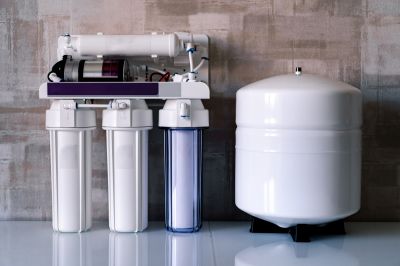
Scheduled treatments for system upkeep.
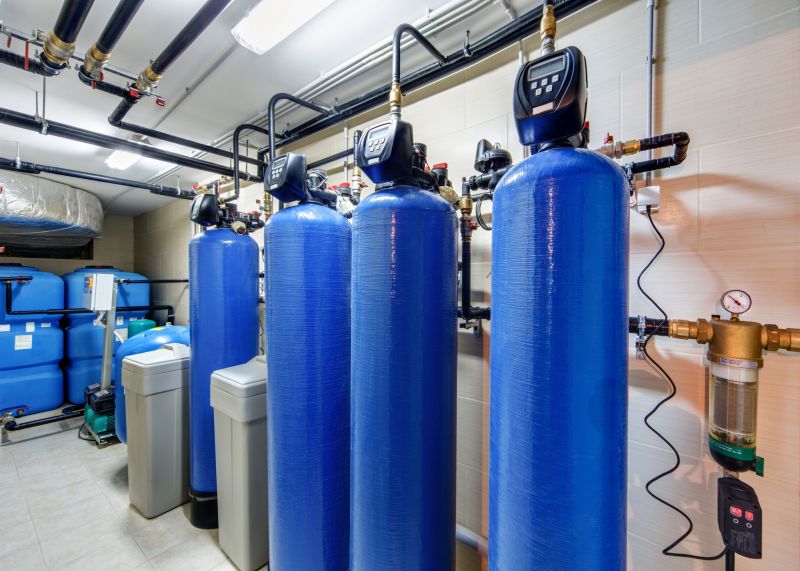
Tracking changes to optimize treatment timing.
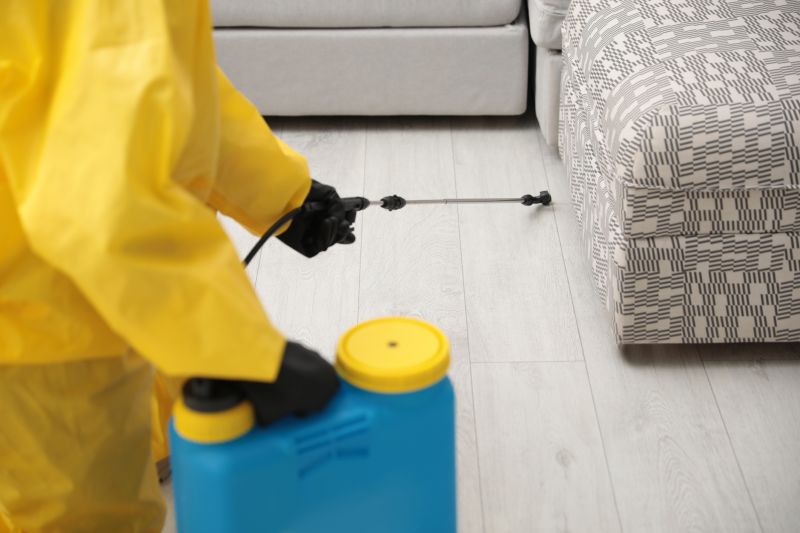
Precise timing for chemical treatments.
Interested parties are encouraged to contact for further information on scheduling water treatments. Proper timing can significantly improve water quality and system performance, making professional guidance valuable for optimal results.
